PDB Lifting Clamp
Product Overview
Our steel plate lifting clamps provide practical solutions for lifting and transporting steel plates in manufacturing, construction, warehousing, shipbuilding, and steel-processing applications.
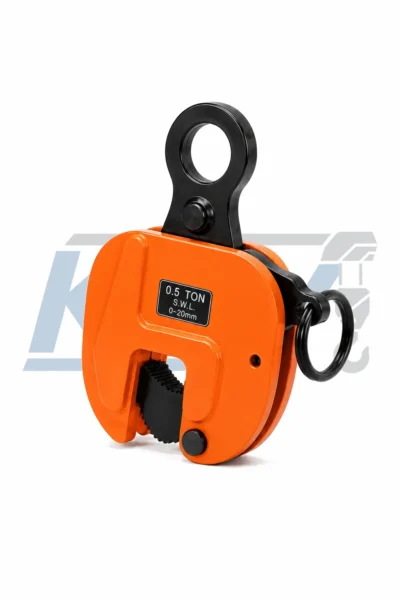
PDB and CDH clamps are intended for vertical plate handling, while LC and HLC forged clamps are suitable for horizontal lifting. Different capacities and jaw openings are available to match a wide range of plate dimensions and working requirements.
Always confirm that the selected clamp capacity and jaw-opening range match the plate being handled. Inspect the clamp and gripping components before every lifting operation.
Steel plate lifting clamps are designed for the safe lifting, turning, positioning, and horizontal transportation of steel plates and structural materials. The product range includes PDB, CDH, LC, and HLC series clamps for different lifting directions, plate thicknesses, and load capacities.
- PDB and CDH series clamps are suitable for lifting and handling steel plates in vertical applications.
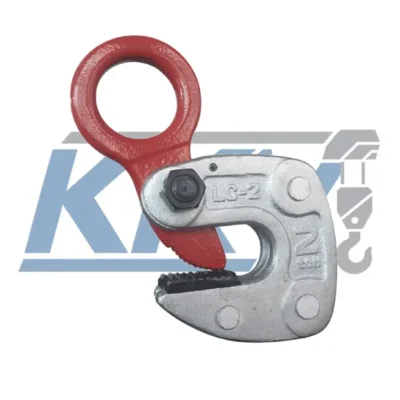
- LC and HLC series clamps are designed for horizontal steel plate lifting and transportation.
- Strong alloy-steel construction provides reliable performance and long service life.
- Hardened gripping jaws provide secure contact with the steel plate surface.
- Multiple rated capacities and jaw-opening ranges are available for different plate thicknesses.
- Compact construction allows convenient installation, handling, and storage.
- Suitable for factories, warehouses, shipyards, steel fabrication plants, and construction sites.
- Clamps should be selected according to the plate weight, thickness, lifting direction, and operating conditions.
Available Models: PDB, CDH, LC and HLC series.
Description
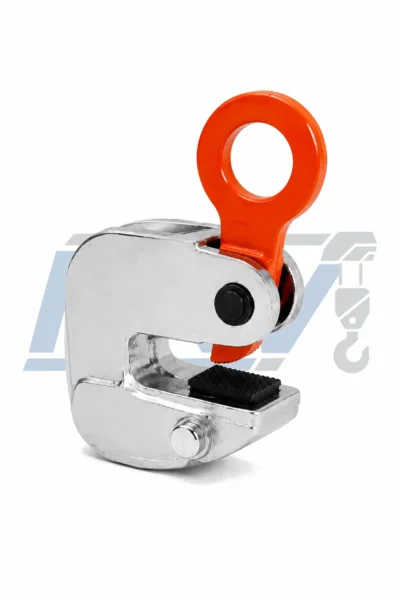
PDB Lifting Clamp for Horizontal Steel Plate Handling
The PDB Lifting Clamp is designed for the
horizontal lifting and transport of steel plates, structural
sections and profiled materials in industrial handling applications.
Its compact clamp body combines a durable steel structure,
serviceable gripping components and a safety mechanism for
practical plate handling in workshops, fabrication facilities
and construction environments.
The current KKV specification range covers
1T to 30T, with jaw-opening options selected
according to plate thickness and rated capacity.
Horizontal Plate Handling with a Compact Clamping Structure
Horizontal Plate Lifting
Designed for lifting and transporting steel plates
and profiled materials in a horizontal position.
Steel Clamp Construction
The steel clamp body provides a durable structure
for routine industrial plate-handling applications.
Serviceable Gripping Parts
Wear-related gripping components can be inspected
and serviced as part of routine clamp maintenance.
Safety Mechanism
The clamp incorporates a safety arrangement to support
correct engagement during lifting and transfer.
1T–30T Capacity Range
Multiple rated capacities are available to suit
different steel plate handling requirements.
Multiple Jaw Openings
Different jaw-opening ranges allow selection according
to the actual plate thickness.
Key PDB Lifting Clamp Construction Details
The PDB combines a compact steel body, lifting connection,
gripping mechanism and safety components in one plate-handling
clamp assembly.
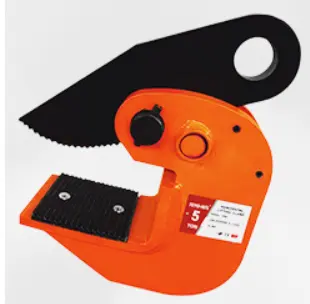
Compact Clamp Structure
The compact clamp body is designed for practical
horizontal lifting and transfer of steel plates
and structural materials.
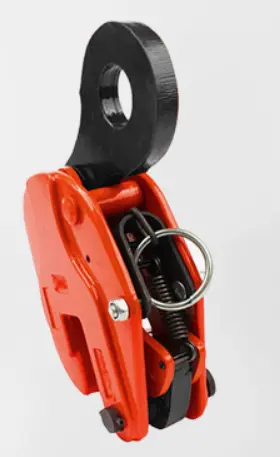
Safety & Gripping Structure
The gripping and safety components work together
to support correct plate engagement during
horizontal handling.
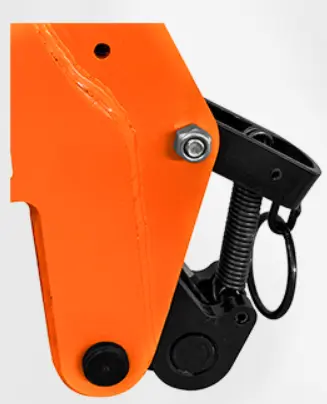
Steel Body & Jaw Detail
The steel body, jaw and lifting connection form
the main load path between the rigging system
and the gripped plate.
Designed for Horizontal Lifting and Transfer
Select the clamp according to the load weight and actual
plate thickness, then position the gripping area correctly
before applying lifting force.
Never exceed the rated capacity listed for
the selected clamp size.
Confirm that the plate fits within the applicable
jaw-opening range.
Apply load smoothly and avoid snatch or impact
loading during operation.
Verify that the clamp is correctly positioned
before the load is raised.
PDB Lifting Clamp Applications
Steel Fabrication
Horizontal handling of plates and fabricated
steel components.
Construction
Plate and profiled-material handling during
structural work.
Workshop Handling
Positioning and transferring steel materials
in production areas.
Material Storage
Controlled movement of suitable steel plates
during loading and storage.
How to Select a PDB Lifting Clamp
Determine Load Weight
Select a rated capacity suitable for the
maximum intended load.
Measure Plate Thickness
Match the plate thickness to the listed
jaw-opening range.
Confirm Lifting Direction
Use the PDB only for an arrangement suitable
for its horizontal plate-clamp design.
Check Rigging Connection
Confirm that the lifting eye and connected
rigging are suitable for the complete system.
Review Plate Surface
Inspect the contact area and confirm the clamp
can engage the plate correctly.
Inspect the PDB Clamp Before Every Lift
cracks or visible damage.
for abnormal wear.
and functions correctly.
are secure.
that could reduce effective contact.
wear is found.
Need Help Selecting the Right PDB Clamp?
Compare rated capacity, jaw opening, net weight and
plate-handling requirements before selecting your
PDB Lifting Clamp.
Additional information
| Rated Capacity | 1T–30T |
|---|---|
| Jaw Opening | 0–150 mm |
| Net Weight | 3.5–65 kg |
PDB Lifting Clamp Technical Specifications
Compare rated capacity, net weight, jaw opening and package details before selecting the appropriate PDB Lifting Clamp.
| Model | Rated Capacity | Net Weight (kg) | Jaw Opening | Package |
|---|---|---|---|---|
| PDB | 1T | 3.5 | 0–30 mm | 4 pcs/carton |
| 2T | 4.6 | 0–40 mm | 4 pcs/carton | |
| 3T | 5.5 | 0–45 mm | 4 pcs/carton | |
| 5T | 7.4 | 0–50 mm | 4 pcs/carton | |
| 8T | 23.5 | 0–80 mm | 1 pc/carton | |
| 10T | 36.6 | 0–125 mm | 1 pc/carton | |
| 16T | 56 | 0–150 mm | 1 pc/carton | |
| 20T | 65 | 0–150 mm | 1 pc/carton | |
| 30T | — | — | 1 pc/carton |
Selection Note: Confirm rated capacity, plate thickness, jaw opening and horizontal lifting requirements before ordering.